Stay informed about the latest developments in skid-mounted PV systems, prefabricated photovoltaic containers, containerized energy solutions, and renewable energy innovations across Africa.
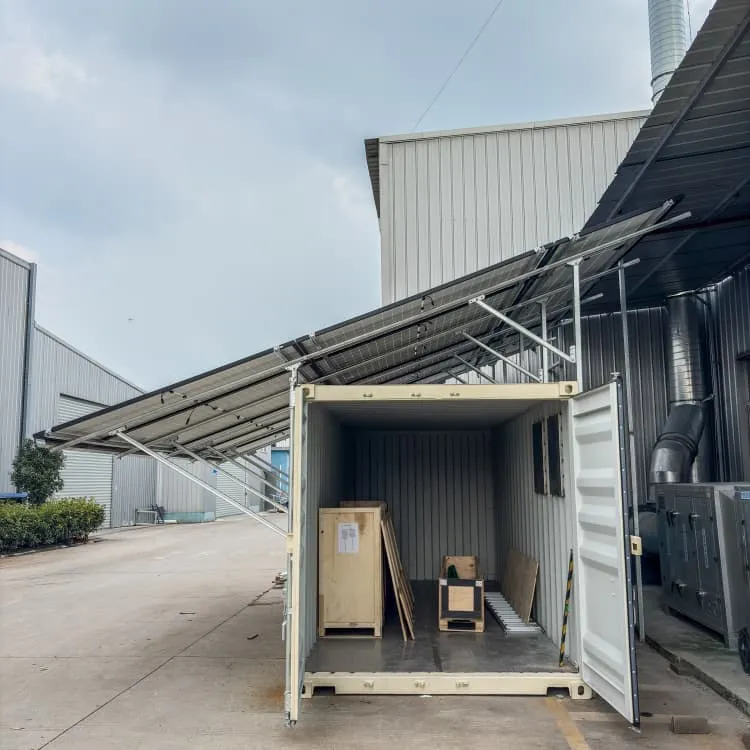


Brazil expects to have 1.2 million solar power generation systems in the year 2024. Solar energy has great potential in Brazil, with the country having one of the highest levels of insolation in the world at 4.25 to 6.5 sun hours/day. As of 2019, Brazil generated nearly 45% of its energy, or 83% of its electricity, from renewable sources.
Today, Brazil's distributed installed capacity has surpassed centralized power stations, accounting for 71% of the total installed capacity. The adoption of the distributed generation method has led to the vigorous development of distributed photovoltaic projects in Brazil.
Solar energy has great potential in Brazil, with the country having one of the highest levels of insolation in the world at 4.25 to 6.5 sun hours/day. As of 2019, Brazil generated nearly 45% of its energy, or 83% of its electricity, from renewable sources. For example, 60% of Brazil's electricity generation came from renewable hydropower.
Grid connection queues in Brazil are offering new opportunities for energy storage and hybrid systems and opening new energy business models. Renewable energy companies are adding solar and batteries to their utility-scale wind power sites to use existing power transmission capacity.
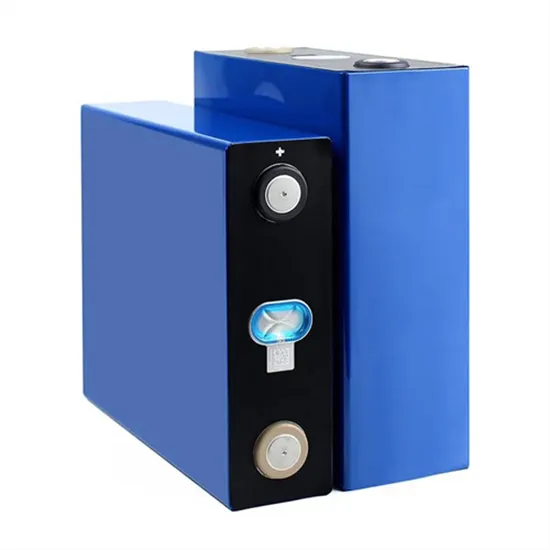
Lithium-iron phosphate batteries officially surpassed ternary batteries in 2021, accounting for 52% of installed capacity. Analysts estimate that its market share will exceed 60% in 2024. The first vehicle to use LFP batteries was the Chevrolet Spark EV in 2014. A123 Systems made the batteries.
Multiple lithium iron phosphate modules are wired in series and parallel to create a 2800 Ah 52 V battery module. Total battery capacity is 145.6 kWh. Note the large, solid tinned copper busbar connecting the modules. This busbar is rated for 700 amps DC to accommodate the high currents generated in this 48 volt DC system.
Lithium iron phosphate modules, each 700 Ah, 3.25 V. Two modules are wired in parallel to create a single 3.25 V 1400 Ah battery pack with a capacity of 4.55 kWh. Volumetric energy density = 220 Wh / L (790 kJ/L) Gravimetric energy density > 90 Wh/kg (> 320 J/g).
Negative electrodes (anode, on discharge) made of petroleum coke were used in early lithium-ion batteries; later types used natural or synthetic graphite. Multiple lithium iron phosphate modules are wired in series and parallel to create a 2800 Ah 52 V battery module. Total battery capacity is 145.6 kWh.