
Stay informed about the latest developments in skid-mounted PV systems, prefabricated photovoltaic containers, containerized energy solutions, and renewable energy innovations across Africa.

5G networks divide coverage areas into smaller zones called cells, enabling devices to connect to local base stations via radio. Each station connects to the broader telephone network and the Internet through high-speed optical fiber or wireless backhaul.
5G Base Stations: Compared to 4G base stations, 5G brings higher data throughput and power density, significantly increasing heat generation. Therefore, the performance requirements for thermal materials are much higher. ● Small/Micro Base Stations: These base stations are compact, with limited space, making thermal design more challenging.
Every 5G NR base station or UE manufacturer must pass all the necessary tests before releasing the products to market. Otherwise, the products do not have 3GPP-compliant recognition and are not usable for network deployment. We start with a quick overview of 3GPP base station conformance testing requirements.
In 5G, base stations are known as gNB, where the “g” stands for next Generation. The Mobile Core is a bundle of functionality (conventionally packaged as one or more devices) that serves several purposes. Provides Internet (IP) connectivity for both data and voice services. Ensures this connectivity fulfills the promised QoS requirements.
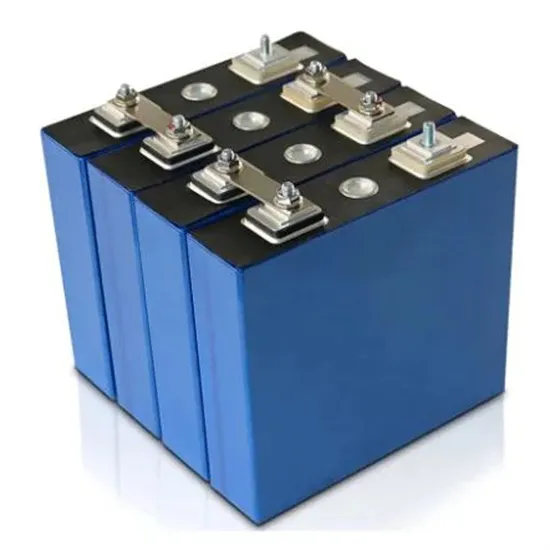
Lithium iron phosphate modules, each 700 Ah, 3.25 V. Two modules are wired in parallel to create a single 3.25 V 1400 Ah battery pack with a capacity of 4.55 kWh. Volumetric energy density = 220 Wh / L (790 kJ/L) Gravimetric energy density > 90 Wh/kg (> 320 J/g).
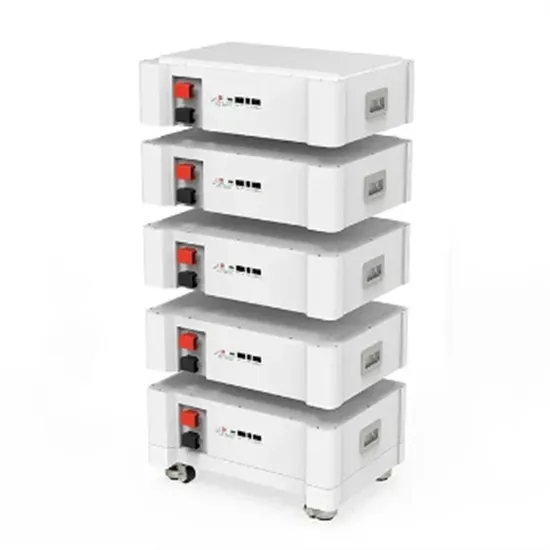
Multiple lithium iron phosphate modules are wired in series and parallel to create a 2800 Ah 52 V battery module. Total battery capacity is 145.6 kWh. Note the large, solid tinned copper busbar connecting the modules. This busbar is rated for 700 amps DC to accommodate the high currents generated in this 48 volt DC system.
Lithium-iron phosphate batteries officially surpassed ternary batteries in 2021, accounting for 52% of installed capacity. Analysts estimate that its market share will exceed 60% in 2024. The first vehicle to use LFP batteries was the Chevrolet Spark EV in 2014. A123 Systems made the batteries.
Superior Safety: Lithium Iron Phosphate chemistry eliminates the risk of explosion or combustion due to high impact, overcharging or short circuit situation. Increased Flexibility: Modular design enables deployment of up to four batteries in series and up to ten batteries in parallel. Max. Charge Current Continuous Current Max.

Wind power is the use of wind energy to generate useful work. Historically, wind power was used by sails, windmills and windpumps, but today it is mostly used to generate electricity. This article deals only with wind power for electricity generation.
A wind turbine installation consists of the necessary systems needed to capture the wind's energy, point the turbine into the wind, convert mechanical rotation into electrical power, and other systems to start, stop, and control the turbine.
Solar and wind are available freely a nd thus appears to be a promising technology to provide reliable power supply in the remote areas and telecom industry of Ethiopia. The project aim generate and provide cost effective electric power to meet the BTS electric load requirement.
Wind energy penetration is the fraction of energy produced by wind compared with the total generation. Wind power's share of worldwide electricity usage in 2021 was almost 7%, up from 3.5% in 2015. There is no generally accepted maximum level of wind penetration.

Between 2022 and 2023, utility-scale solar PV projects showed the most significant decrease (by 12%). For newly commissioned onshore wind projects, the global weighted average LCOE fell by 3% year-on-year; whilst for offshore wind, the cost of electricity of new projects decreased by 7% compared to 2022.
These benchmarks help measure progress toward goals for reducing solar electricity costs and guide SETO research and development programs. Read more to find out how these cost benchmarks are modeled and download the data and cost modeling program below.
The cost of utility-scale solar in 2022 was down 84% from 2010. Solar power purchase agreements in the West were an average of $10/MWh lower than in other regions. Larger utility-scale solar projects (20 MW+) cost 26% less per MW than projects between 5-20 MW. Annual Energy Outlook, 2023.
Projected change in price by fuel type, 2022-2050 Solar, wind, and hydropower are based on the projected levelized cost of energy, which includes capital expenditures and operating costs, while natural gas, coal, and nuclear are based on the projected cost of only the heat content of these plants.






