Stay informed about the latest developments in skid-mounted PV systems, prefabricated photovoltaic containers, containerized energy solutions, and renewable energy innovations across Africa.

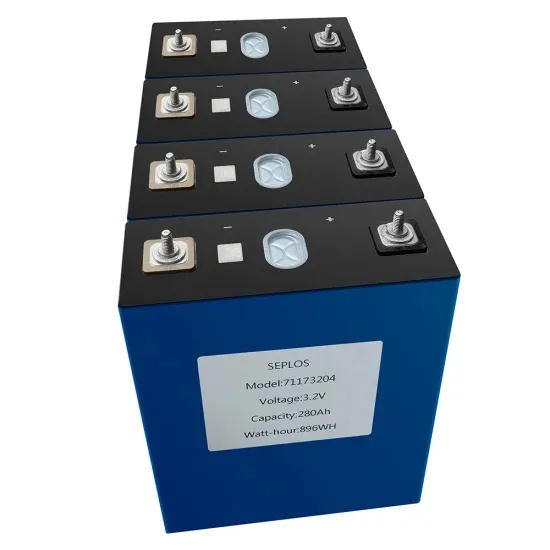

A Lithium-Ion Manganese Oxide (Li-ion Mn₂O₄ or LMO) battery is a type of rechargeable lithium-ion battery that uses lithium manganese oxide (LiMn₂O₄) as the cathode material.
Part 1. What are lithium manganese batteries? Lithium manganese batteries, commonly known as LMO (Lithium Manganese Oxide), utilize manganese oxide as a cathode material. This type of battery is part of the lithium-ion family and is celebrated for its high thermal stability and safety features.
One of the key advantages of lithium-ion manganese oxide batteries is their excellent safety profile. Manganese is a more environmentally benign and thermally stable material than cobalt or nickel, and the spinel structure resists oxygen release even under high temperatures.
Lithium Manganese Dioxide (LiMnO2) batteries should be stored at temperatures below 30°C. As a European Primary Lithium battery pack specialist for many years, it was only natural to stock the most popular cells. We offer the highest quality of battery packs designed and manufactured with Panasonic, Varta and FDK cells available from stock.

Among the various types of RFBs, vanadium redox flow battery (VRFB) stands out for its ability to eliminate cross-contamination between electrolytes, a common issue in other flow battery chemistries which induces self-discharge of the device.
Vanadium redox flow batteries (VRFBs) hold great promise as a scalable and efficient energy storage solutions for renewable energy systems as compared to its several counterparts.
The UNSW All-Vanadium Redox Flow Battery patents and technology were licensed to Mitsubishi Chemical Corporation and Kashima-Kita Electric Power Corporation in the mid-1990s and subsequently acquired by Sumitomo Electric Industries where extensive field testing was conducted in a wide range of applications in the late 1990s and early 2000s.
Traditionally, much of the global vanadium supply has been used to strengthen metal alloys such as steel. Because this vanadium application is still the leading driver for its production, it’s possible that flow battery suppliers will also have to compete with metal alloy production to secure vanadium supply.