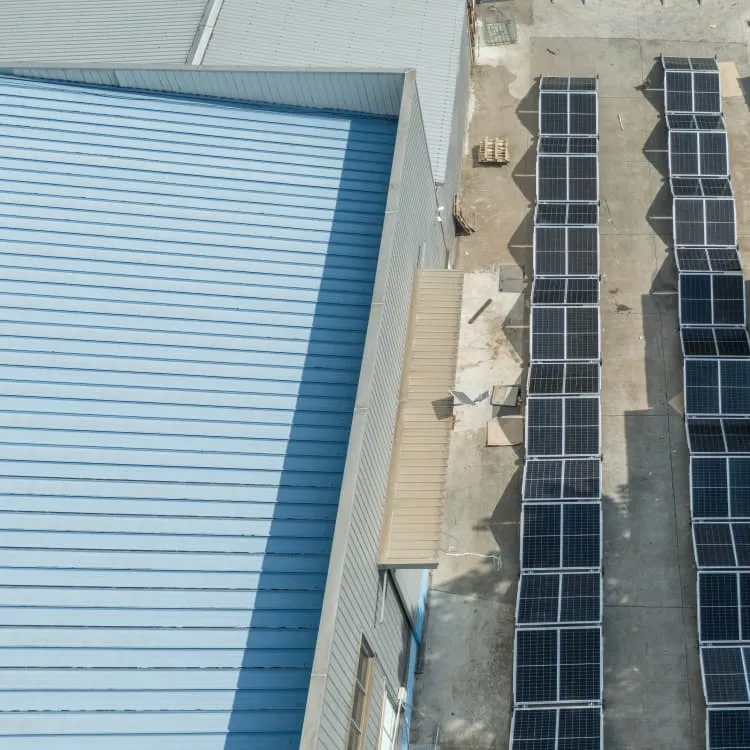
Hybrid systems, as the name implies, combine two or more modes of electricity generation together, usually using renewable technologies such as solar photovoltaic (PV) and wind turbines. Hybrid systems provide a high level of energy security through the mix of generation methods, and often will incorporate a storage system (battery, ) or small fossil fueled generator to ensure maximum supply reliability and security.
[PDF Version]
Is a hybrid wind and solar energy system right for You?
A stand-alone, hybrid wind plus solar energy system can be a great option in these scenarios, especially when paired with energy storage. At a higher grid-scale level, pairing solar and wind energy systems allows renewable developers to participate to a greater degree in deregulated electricity markets.
How can solar and wind power be used in a hybrid system?
By combining solar and wind power in hybrid systems, it is possible to create a more reliable and efficient source of renewable energy. Hydropower: It is another popular source of renewable energy, but it is limited to areas with large bodies of water such as rivers or lakes.
What is a wind-solar hybrid system?
It’s simple! Wind turbines and solar panels are the two main components of a wind-solar hybrid system. When the wind blows, wind turbines convert kinetic energy from the wind into electrical energy, while when the sun shines, solar panels generate electricity from sunlight.
What is a hybrid energy system?
A hybrid energy system, or hybrid power, usually consists of two or more renewable energy sources used together to provide increased system efficiency as well as greater balance in energy supply. Floating solar is usually added to existing hydro rather than building both together.
Solar energy has great potential in Brazil, with the country having one of the highest levels of insolation in the world at 4.25 to 6.5 sun hours/day. [4] As of 2019, Brazil generated nearly 45% of its energy, or 83% of its electricity, from renewable sources.OverviewThe total installed in Brazil was estimated at 53.9 GW at February 2025, which consists of about 21.9% of the country's electricity matrix. In 2023, Brazil was the 6th country in the world in terms of installed so. .
In 2016, a factory capable of producing 400 MW of solar panels a year opened in in São Paulo, owned by . A plan to build a solar panel factory in was announced by the Chines. .
In 2021, a number of photovoltaic and financial solutions companies expanded their work in Brazil. Companies such as Absolar, Insole, , Alexandria, and Evolua Energia saw significant growth. In addition, tr.
[PDF Version]
In March 2020, South Sudan's installed generation capacity was reported as approximately 130 MW. Most of the electricity in the country is concentrated in Juba the capital and in the regional centers of and . At that time the demand for electricity in the county was estimated at over 300 MW and growing. Nearly all electricity sources in the country are based, with attendant challenges of cost and environmental pollution. There are plans to build new generati.
[PDF Version]
The city of Fresno in California is running flywheel storage power plants built by Amber Kinetics to store solar energy, which is produced in excess quantity in the daytime, for consumption at night.OverviewA flywheel-storage power system uses a for , (see ) and can be a comparatively small storage facility with a peak power of up to 20 MW. It typically is used to sta. .
In , operates in a flywheel storage power plant with 200 flywheels of 25 kWh capacity and 100 kW of power. Ganged together this gives 5 MWh capacity and 20 MW of power. Th. .
China has the largest grid-scale flywheel energy storage plant in the world with 30 MW capacity. The system was connected to the grid in 2024 and it was the first such system in China. In the Unite.
[PDF Version]
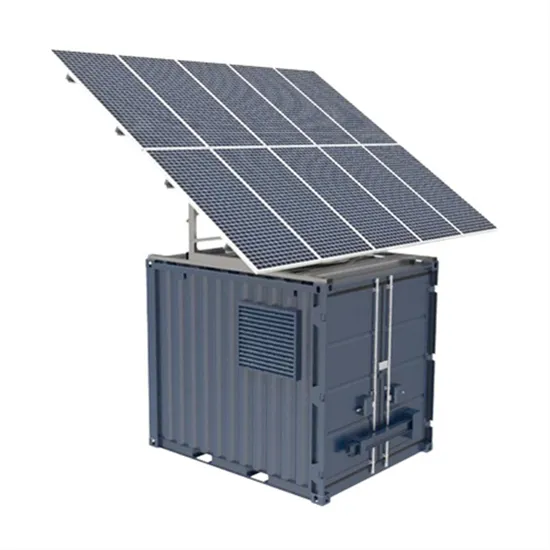
This article analyzes the key strategies for safety management of energy storage power stations throughout their life cycle based on international standards (such as NFPA 855, IEC 62933) and industry best practices. Ⅰ. Risk identification: three major. .
This article analyzes the key strategies for safety management of energy storage power stations throughout their life cycle based on international standards (such as NFPA 855, IEC 62933) and industry best practices. Ⅰ. Risk identification: three major. .
Risk identification: three major safety hazards of energy storage power stations Ⅱ. Safety design: Build a protection system from the source Ⅲ. Operation management: full life cycle protection strategy Ⅳ. Emergency response: What to do when an accident occurs? V. Future trend: Technological. .
The International Renewable Energy Agency predicts that with current national policies, targets and energy plans, global renewable energy shares are expected to reach 36% and 3400 GWh of stationary energy storage by 2050. However, IRENA Energy Transformation Scenario forecasts that these targets. .
The DCFlex initiative is a pioneering effort to demonstrate how data centers can play a vital role in supporting and stabilizing the electric grid while enhancing interconnection efficiency. It aims to drive a cultural, taxonomic, and operational transformation across the data center ecosystem.
[PDF Version]
produces no oil or natural gas and is predominantly dependent on the (IEC) for electricity. According to , the Palestinian Territory "lies above sizeable reservoirs of oil and natural gas wealth" but "occupation continues to prevent Palestinians from developing their energy fields so as to exploit and benefit from such assets." In 2012,
[PDF Version]
How much does it cost to build a power plant in Palestine?
The Palestine Power Generation Company continues to plan for the establishment of a combined-cycle power plant with a total capacity of up to 450MW each on a Build Own and Operate (BOO) basis. Implementation of the 250MW first phase will involve a pilot project at a total cost of $344 million in the North of the West Bank.
Can wind energy be used to generate electricity in Palestine?
When Hasan first looked into the possibility of using wind energy to generate electricity in Palestine in 1991, he came to the conclusion that areas with an elevation of 850 meters or more, including Ramallah and Jerusalem, have excellent energy potential . In some areas of the WB, wind energy may be produced at 0.07 $/kWh .
What is the future consumption of electricity in Palestine?
Future consumption of electricity is expected to reach 8,400 GWh by 2020 on the expectation that consumption will increase by 6% annually. The Palestinian Electricity Transmission Company (PETL), formed in 2013, is currently the sole buyer of electricity in the areas under Palestinian Authority (PA) control.
Why did Israel require Palestinian power companies to sell their electricity?
Israel required Palestinian power companies to sell their electricity at low rates fixed by the government. Unlike the IEC, these companies lacked the state subsidies and economies of scale to sell electricity at fixed prices profitably.