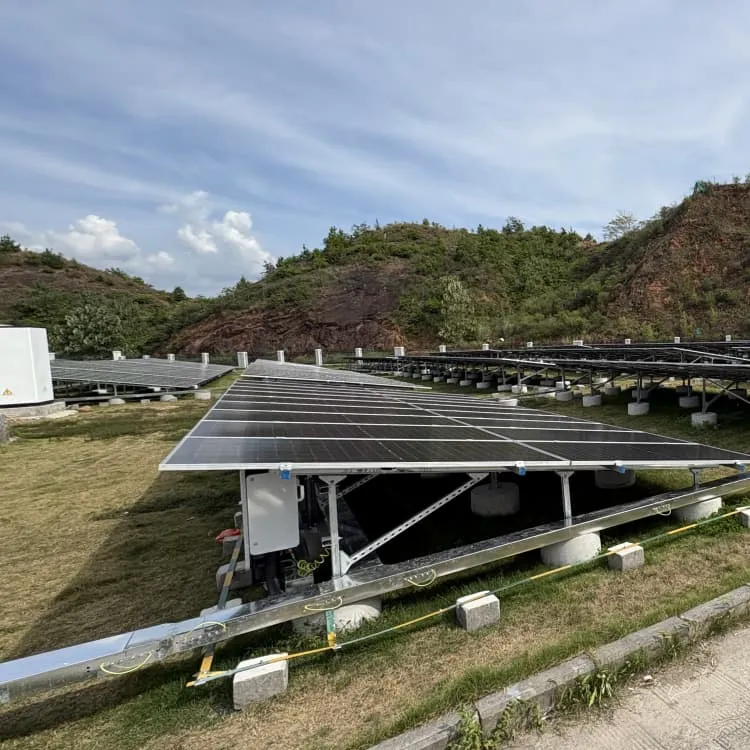
Where temperatures below about 95 °C (200 °F) are sufficient, as for space heating, flat-plate collectors of the nonconcentrating type are generally used. Because of the relatively high heat losses through the glazing, flat plate collectors will not reach temperatures much above 200 °C (400 °F) even when the heat transfer fluid is stagnant. Such temperatures are too low for
[PDF Version]
Solar thermal energy (STE) is a form of energy and a for harnessing to generate for use in , and in the residential and commercial sectors. are classified by the United States as low-, medium-, or high-temperature collectors. Low-temperature collectors are generally unglazed and used to heat
[PDF Version]
A collection of mature technologies called (STES) is capable of storing heat for months at a time, so solar heat collected primarily in Summer can be used for all-year heating. Solar-supplied STES technology has been advanced primarily in Denmark, Germany, and Canada, and applications include individual buildings and district heating networks.
[PDF Version]
We have different types of inverters in stock, which allows our clients to choose the suitable device for each specific purpose. 1. Grid-tie inverters conserve the excess electric power and redirect it into the mai.
[PDF Version]
From 1 January 2023 Latvia banned the import of natural gas from Russia. The replacement comes from connections to LNG terminals, the LNG terminal in Lithuania, and from 2024 the recently opened Inkoo LNG terminal in Finland. JSC Conexus Baltic Grid is the natural gas in Latvia. International transmission pipelines are 577 km long, consisting of the Riga–Pahneva, Pleskava–Riga, Izbors.
[PDF Version]
Base station operators deploy a large number of distributed photovoltaics to solve the problems of high energy consumption and high electricity costs of 5G base stations. In this study, the idle space of the.
[PDF Version]