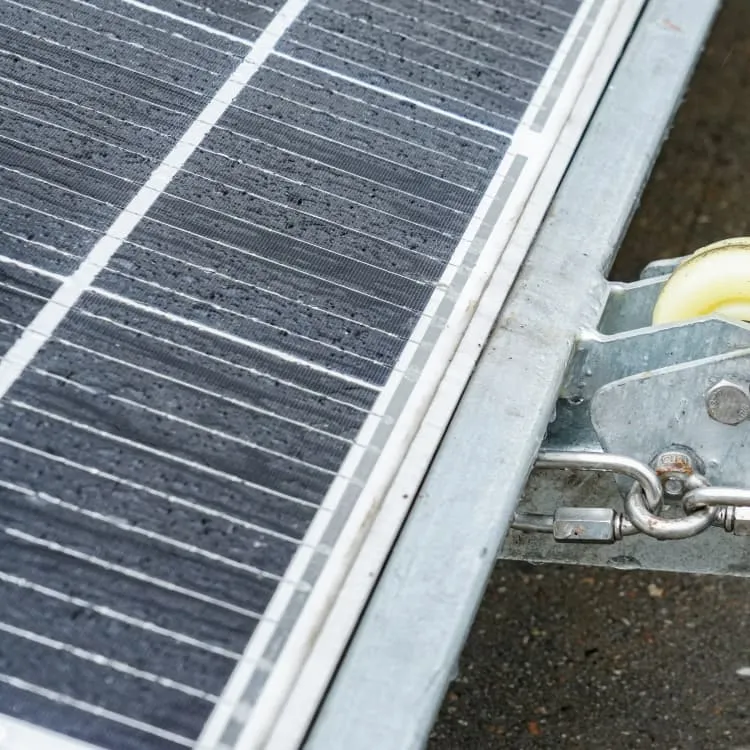
Stay informed about the latest developments in skid-mounted PV systems, prefabricated photovoltaic containers, containerized energy solutions, and renewable energy innovations across Africa.

Explore the HYP Series Off Grid Inverter (5–6KW, Dual MPPT) for flexible single, split, or three-phase power—designed to optimize your off-grid solar setup. 1. What Are Off-Grid Solar Inverter Systems Off-grid solar Inverter systems are standalone power solutions that operate independently of the utility grid.
Spanish solar PV generator manufacturer Nomad Solar Energy, a subsidiary of solar power plant project developer Lone Lighthouse, has launched a line of containerized mobile solar PV generators.
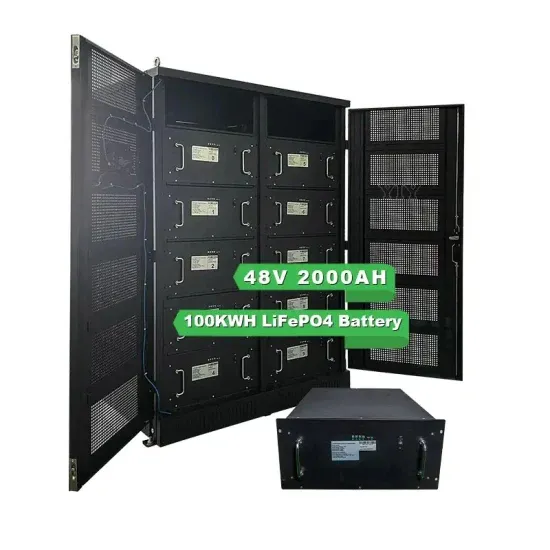
An off-grid solar power system is built around four interdependent components that collectively deliver stable, autonomous electricity. It begins with solar panels, which harness sunlight and convert it into direct current (DC) power.
Off-Grid Installer have the answer with a containerized solar system from 3 kw up wards. Systems are fitted in new fully fitted containers either 20 or 40 foot depending on the size required.
This is the list of the largest public listed companies in the Solar industry from China by market capitalization with links to their reference stock. 1. Trina Solar Co. Ltd 2. Shanghai Aiko Solar Energy Co. Ltd 3. Xinyi Solar Holdings Ltd 4. Arctech Solar Holding Co. Ltd 5. JinkoSolar Holding Co., Ltd. 6. Solareast Holdings Co. Ltd 7.
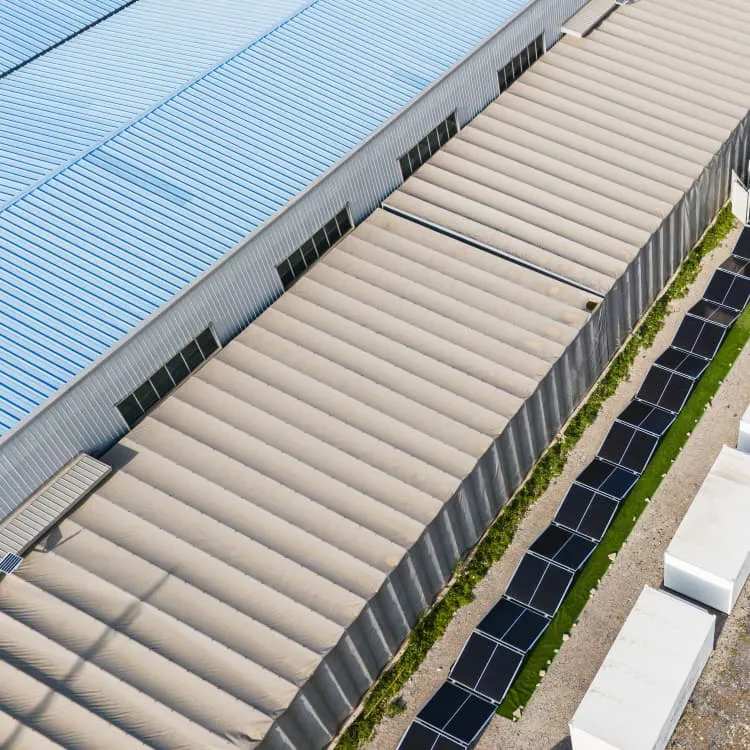
China is not just building solar farms; it is constructing energy-generating titans, behemoths of photovoltaic technology that are redefining the limits of renewable power. These projects, measured not in megawatts but in gigawatts, represent more than just a commitment to clean energy.
Hobq Solar Park 6. Otog Front Banner Solar Park 7. Midong Solar Park 8. Huanghe Hydropower Hainan Solar Park 9. Dau Tieng Photovoltaic Solar Power Project 10. Urumqi, Xinjiang Solar Power Facility Power generation. Integrated energy project.
Provinces like Xinjiang (home to the 5 GW and 3.5 GW facilities), Qinghai (Golmud and Gonghe Talatan parks), and Inner Mongolia (Hobq and Otog parks) are the new epicenters of global solar power. These areas offer two key ingredients for gigawatt-scale development: high solar irradiance and enormous tracts of sparsely populated, undevelopable land.
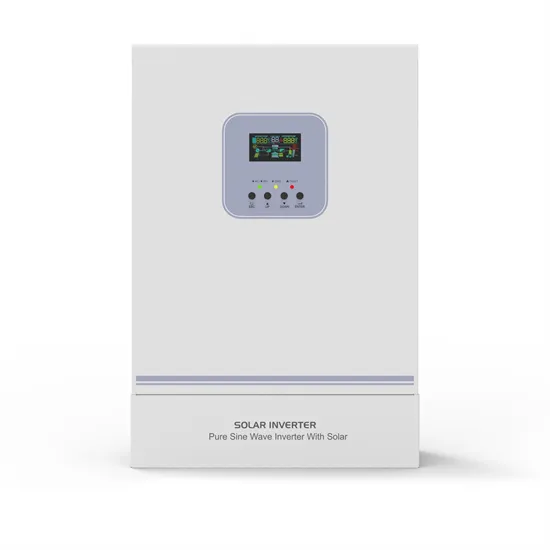

To achieve grid synchronization, solar inverters employ sophisticated algorithms and techniques to continuously monitor and adjust to the grid’s parameters. Here’s a breakdown of the process: The inverter uses voltage sensors to measure the grid’s voltage level and waveform.
For safe and reliable integration with the electric grid, the solar inverter must precisely synchronize its AC output with the grid’s voltage, frequency, and phase characteristics. This process, known as grid synchronization, is essential for ensuring a stable power flow, preventing equipment damage, and maintaining grid stability.
Grid-Tied Inverters: Operational dependence on the grid is a defining characteristic of grid-tied inverters. These inverters are designed to shut down during grid outages for safety reasons. Energy production is synchronized with the grid, and surplus electricity can be exported.
Matching Frequency: Once the grid is detected, the inverter aligns its own frequency to match the grid’s—usually 60 Hz in the U.S. It ensures power flows smoothly without interference. 3. Phase and Voltage Adjustment: The inverter adjusts its output phase to sync with the grid’s wave pattern.